Clarity is not accidental. It is intentional.
Travel has reinforced this leadership lesson for me time and again.
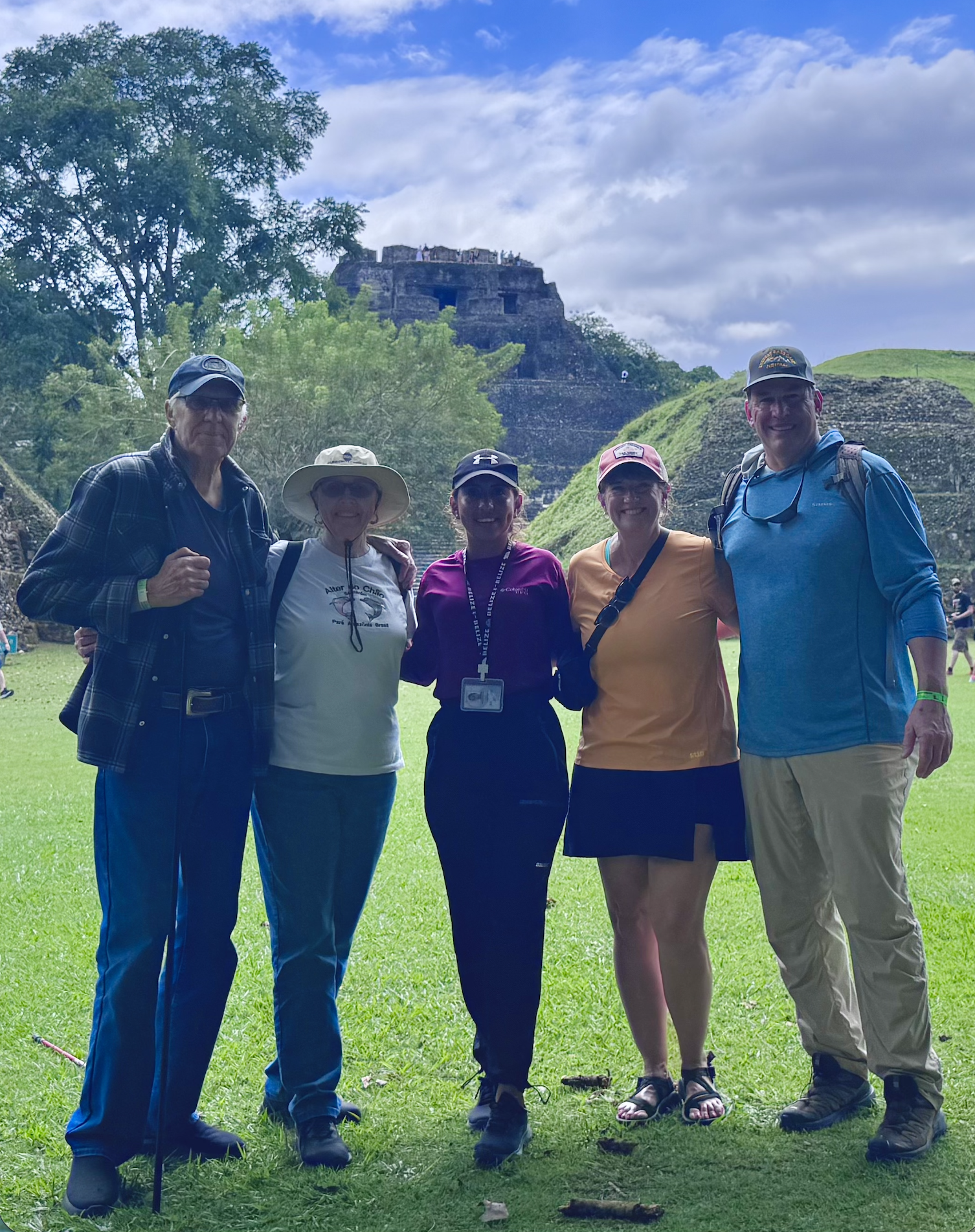
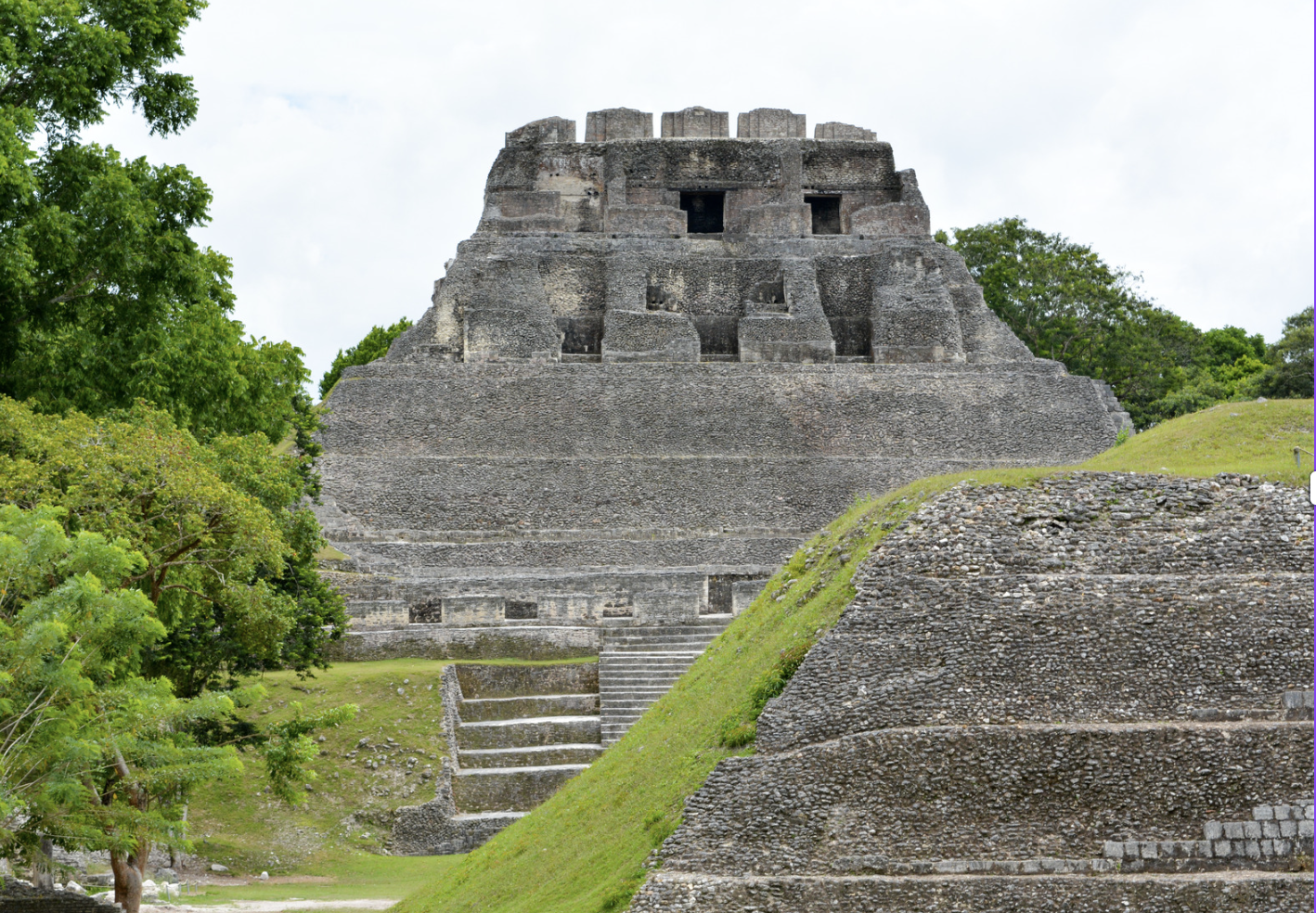
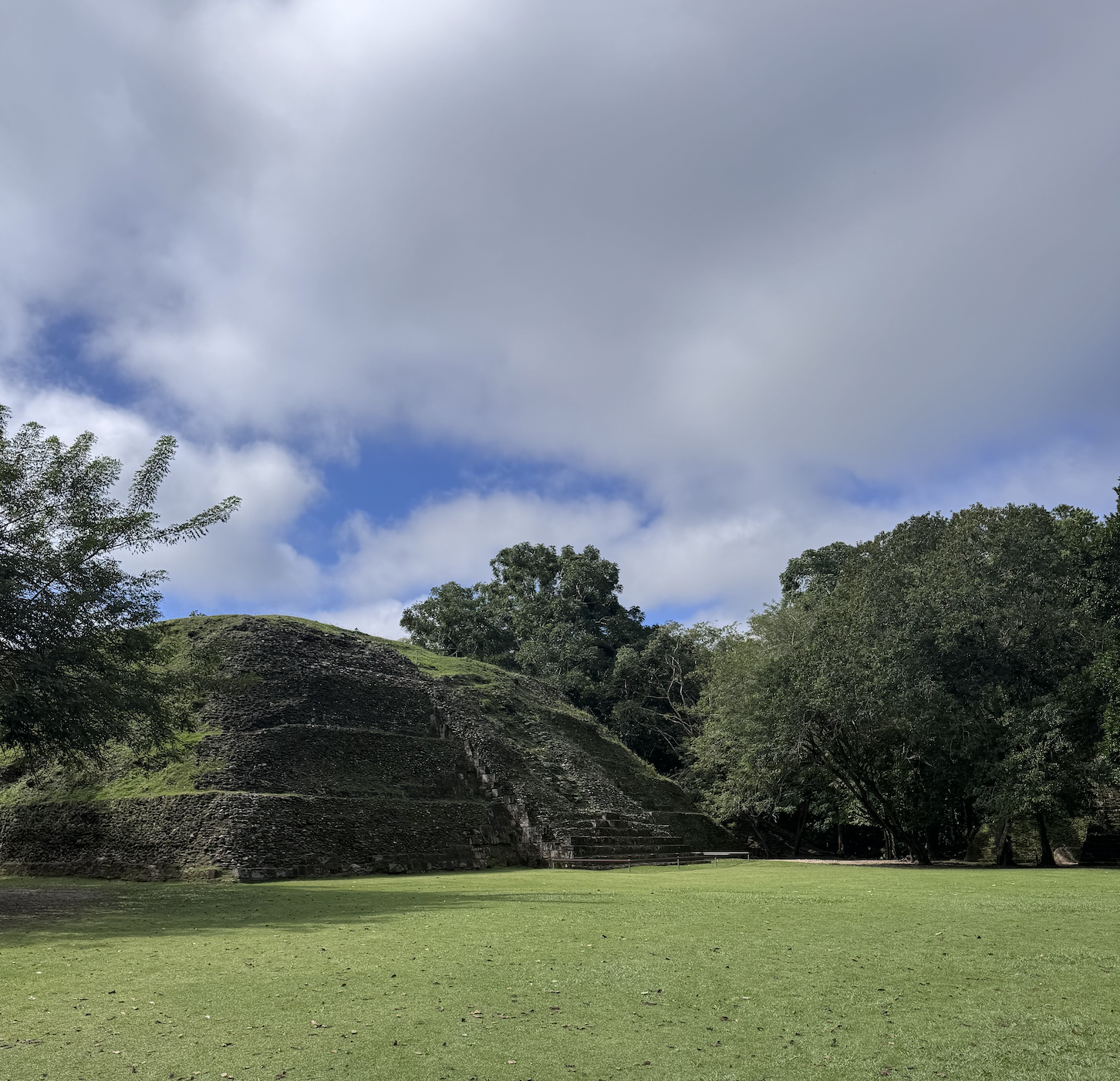
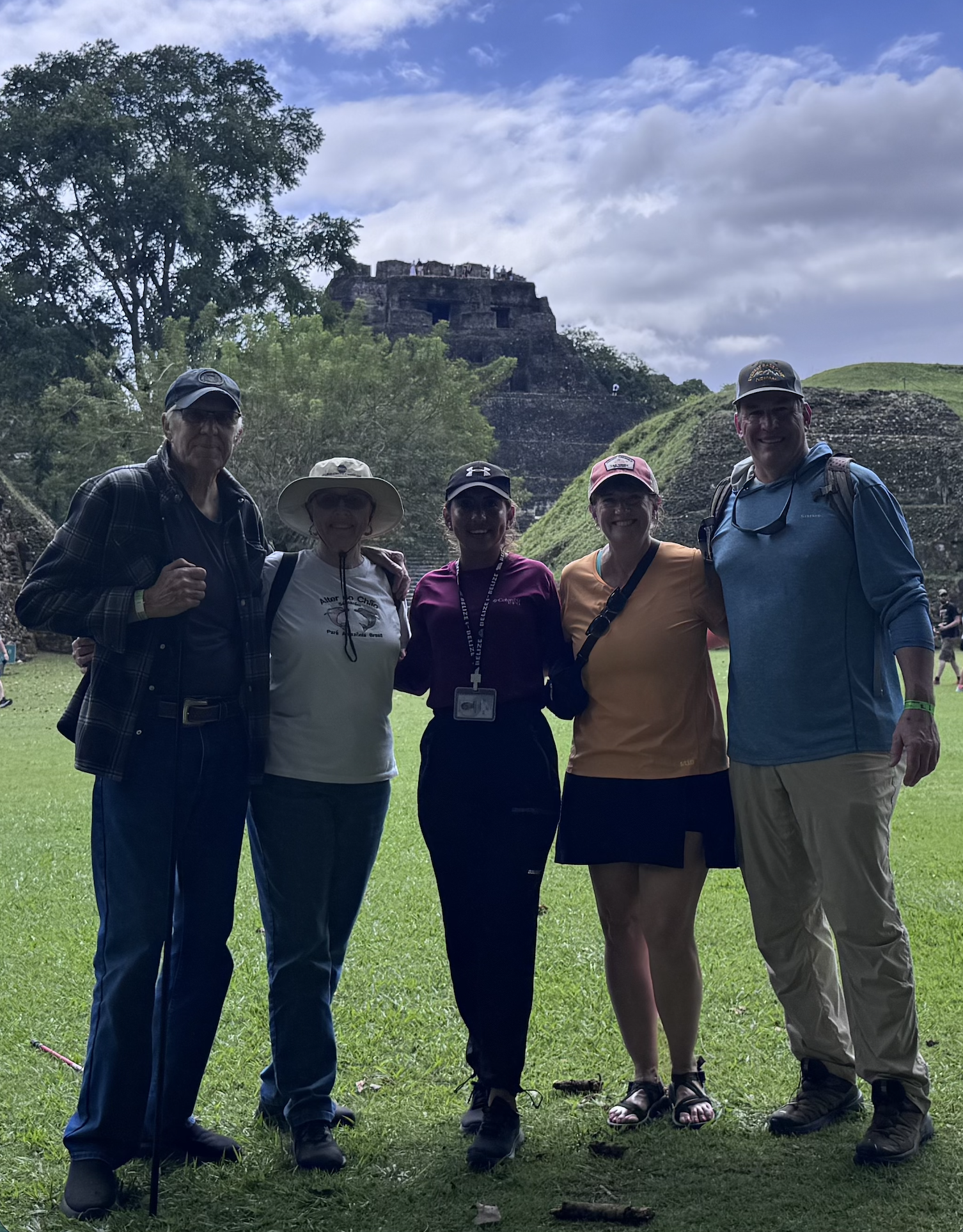
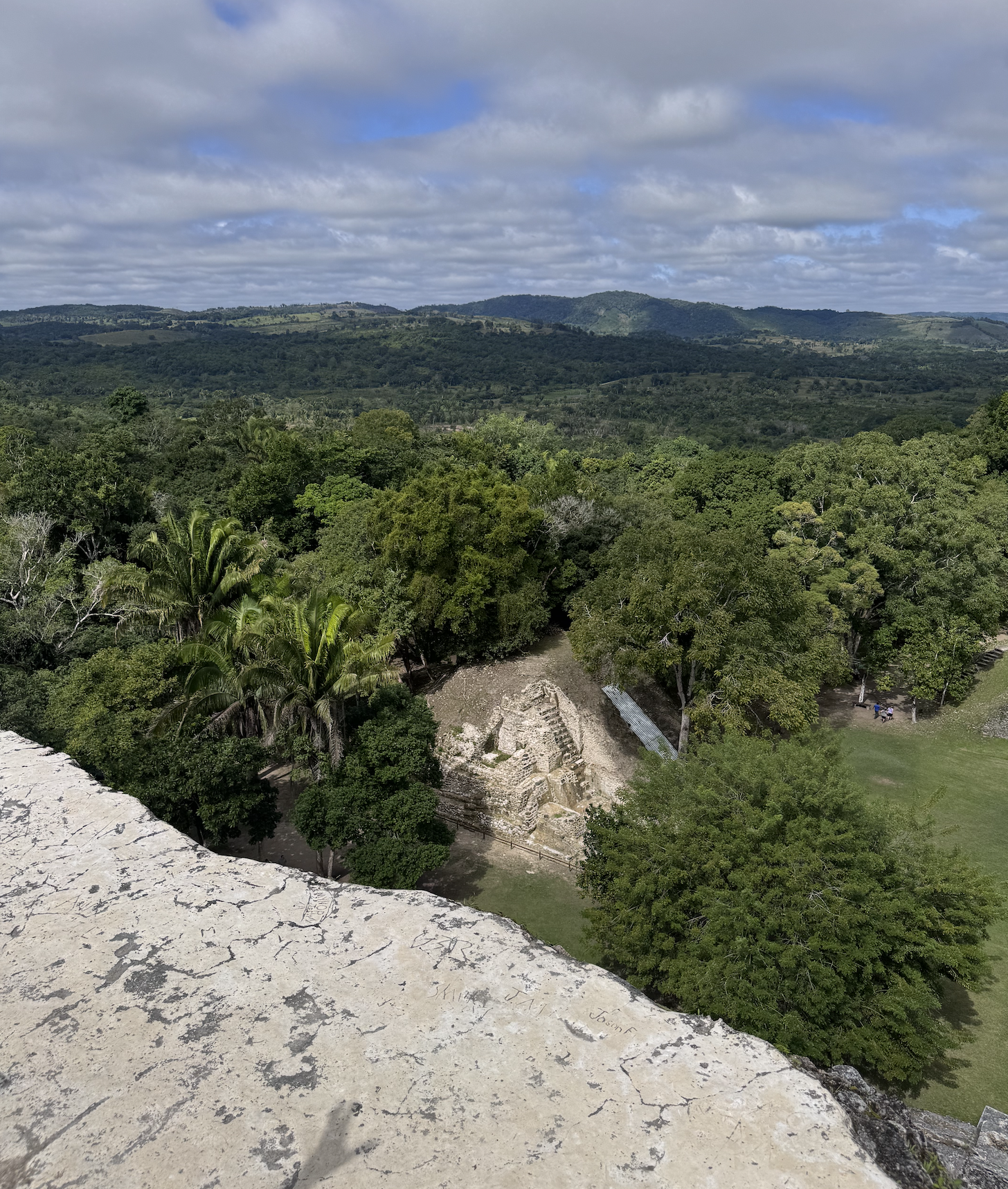
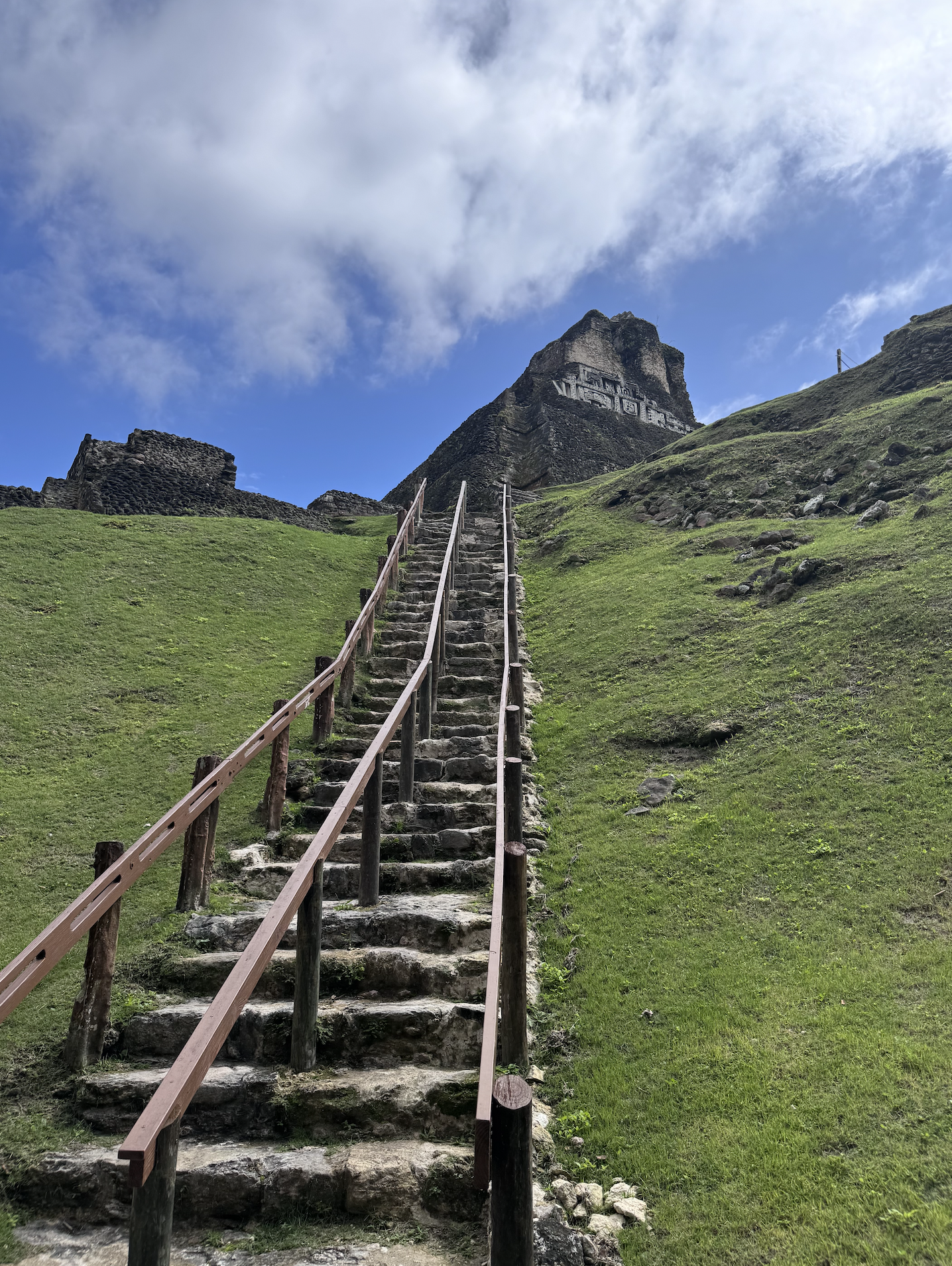
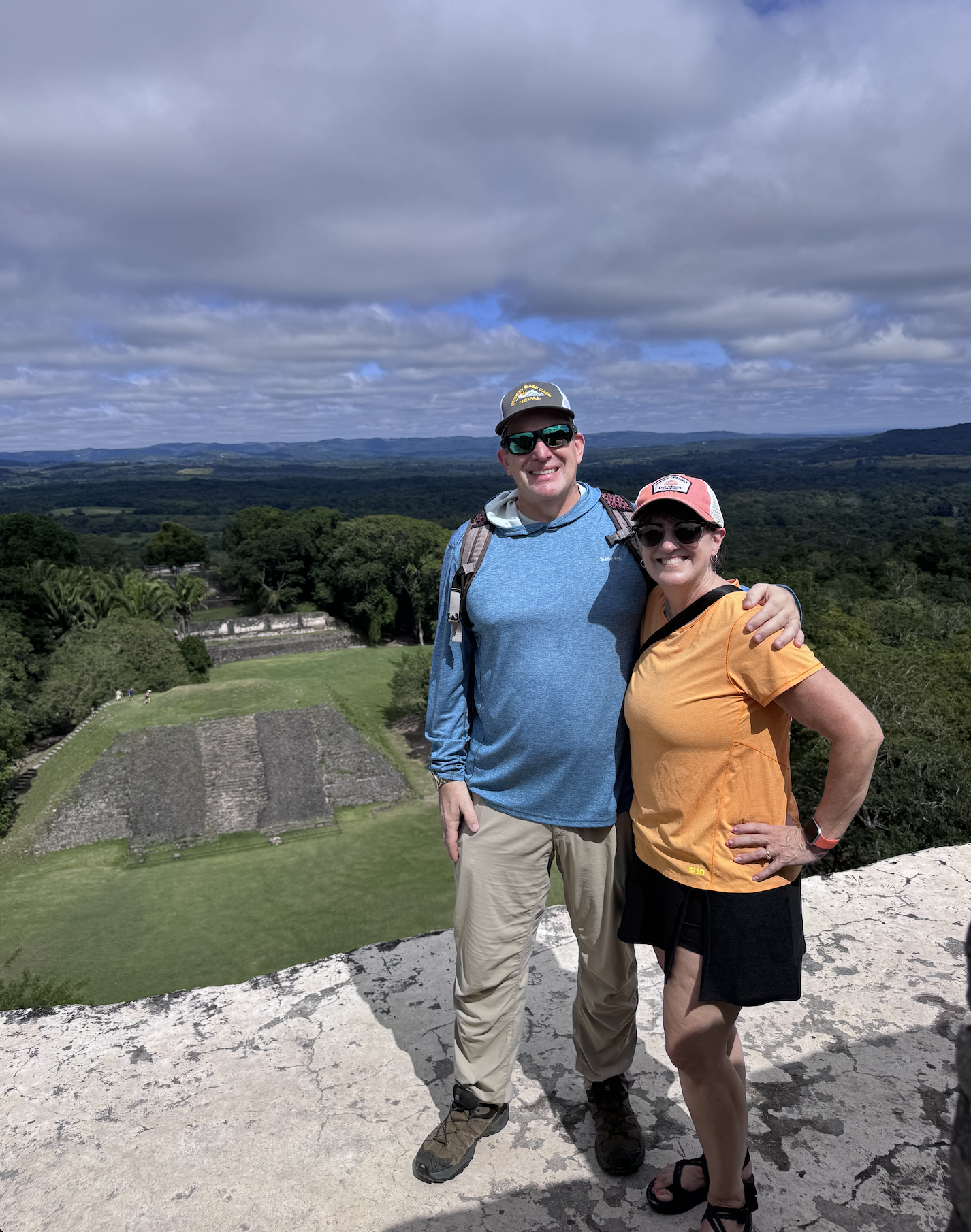
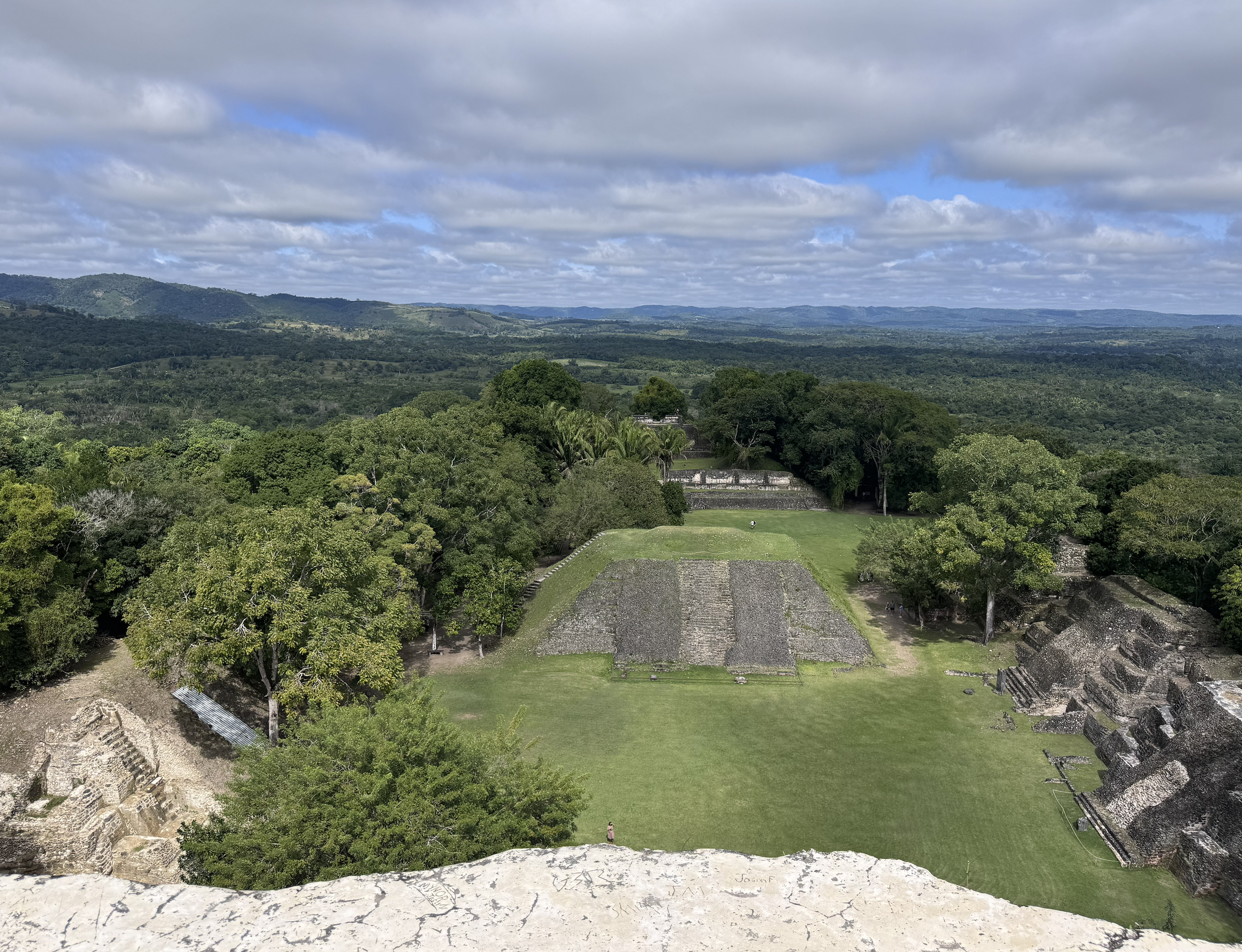
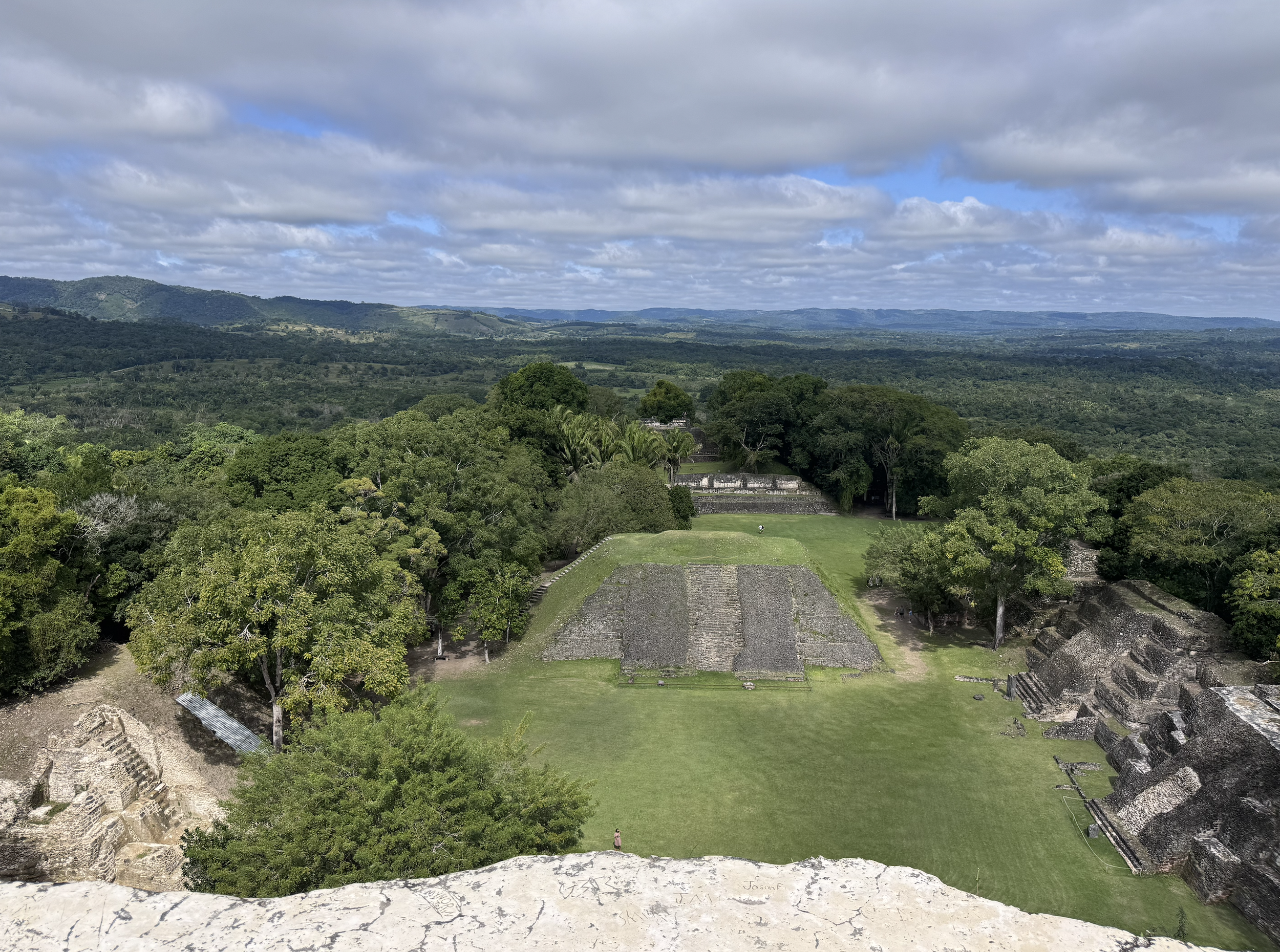
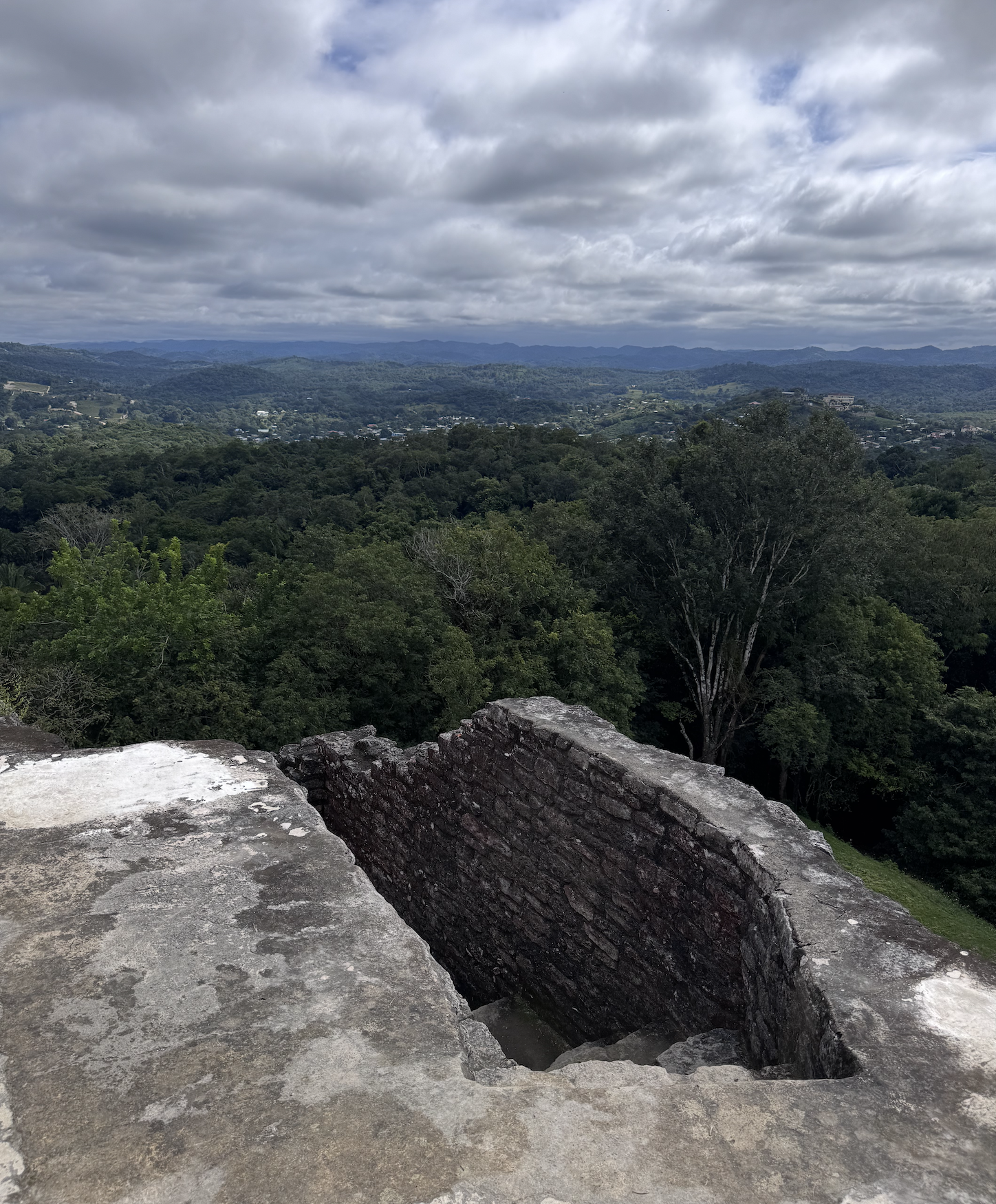
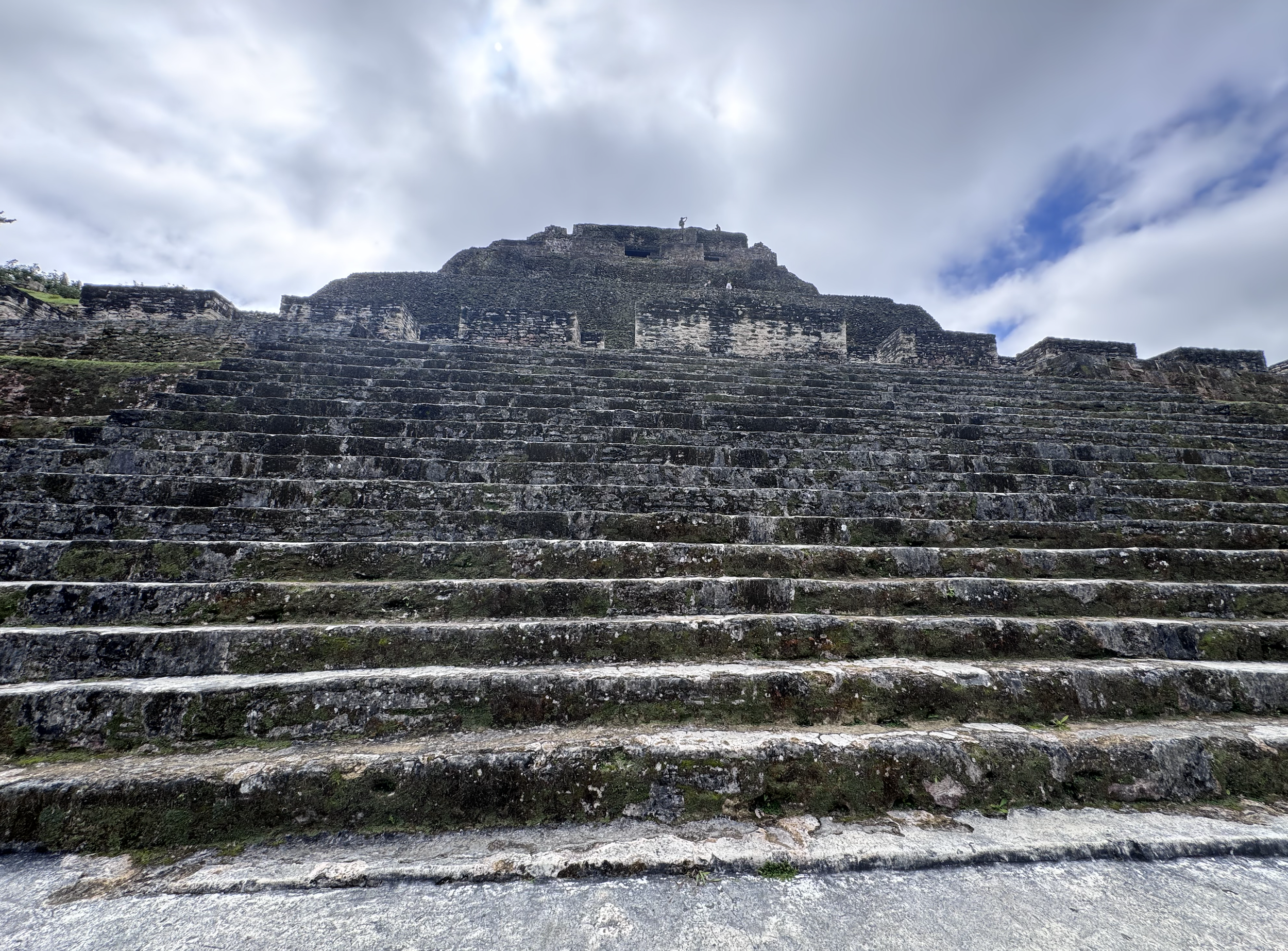
While visiting the Xunantunich Mayan Ruins in Belize, we could have easily explored the site on our own. The structures are striking at first glance. Massive stone temples rise above the jungle canopy, layered with centuries of history and craftsmanship. It would have been entirely possible to walk through, take in the scale, and leave with a few impressive photos.
But without context, they are simply ancient structures.
Instead, we hired a guide and leaned into curiosity.
How did the Maya live day to day?
What role did these buildings serve?
What led thriving cities to be abandoned?
What unfolded was far more than historical commentary. We gained insight into how a sophisticated civilization organized itself, how agriculture and trade sustained entire populations, and how environmental and societal pressures gradually destabilized once-thriving cities. The ruins stopped being static remnants of the past and became evidence of systems, leadership decisions, and long-term consequences.
We asked for explanation.
We received perspective.
That distinction matters.
In leadership, asking for clarity often produces more than a simple answer. A well-timed question can surface assumptions, reveal hidden risks, uncover opportunity, and connect dots that were not previously visible. Frequently, it delivers insight beyond what you originally thought to ask for.
And yet, in many organizations, asking questions can feel uncomfortable. Leaders may assume they are expected to already know. Teams sometimes hesitate, concerned that seeking clarification could be interpreted as uncertainty.
So decisions move forward on partial information. Alignment is assumed rather than confirmed. Ambiguity grows quietly in the background.
Over time, that ambiguity becomes expensive.
Misalignment.
Rework.
Lost momentum.
Strong leadership is not about projecting certainty. It is about pursuing understanding with intention. Effective leaders ask questions early, confirm expectations, and seek context before decisions compound. They recognize that clarity at the beginning prevents correction later.
More importantly, they understand that asking does not simply reduce risk. It expands awareness.
The same principle showed up in smaller ways throughout the trip. Asking a local where they actually like to eat led us to Tolacca Smokehouse, one of the most memorable meals of our time there. What could have been an average experience became something exceptional because we chose to ask.
Whether navigating a new country or a new initiative, the principle remains consistent.
Clarity requires intention.
Perspective requires curiosity.
Momentum requires alignment.
Asking is not a weakness. It is accountability.
If you need clarity, ask.
If you need context, ask.
If you need alignment, ask.
The greatest value often lies not in the answer you expected, but in the understanding you did not know you were missing.
Linda Caudle is the Founder & Principal of Plus Momentum, where she partners with leaders to clarify strategy, align teams, and turn thoughtful insight into forward momentum.
Strategy. Story. Impact.