Japlan and Flex
Plan for Possibility
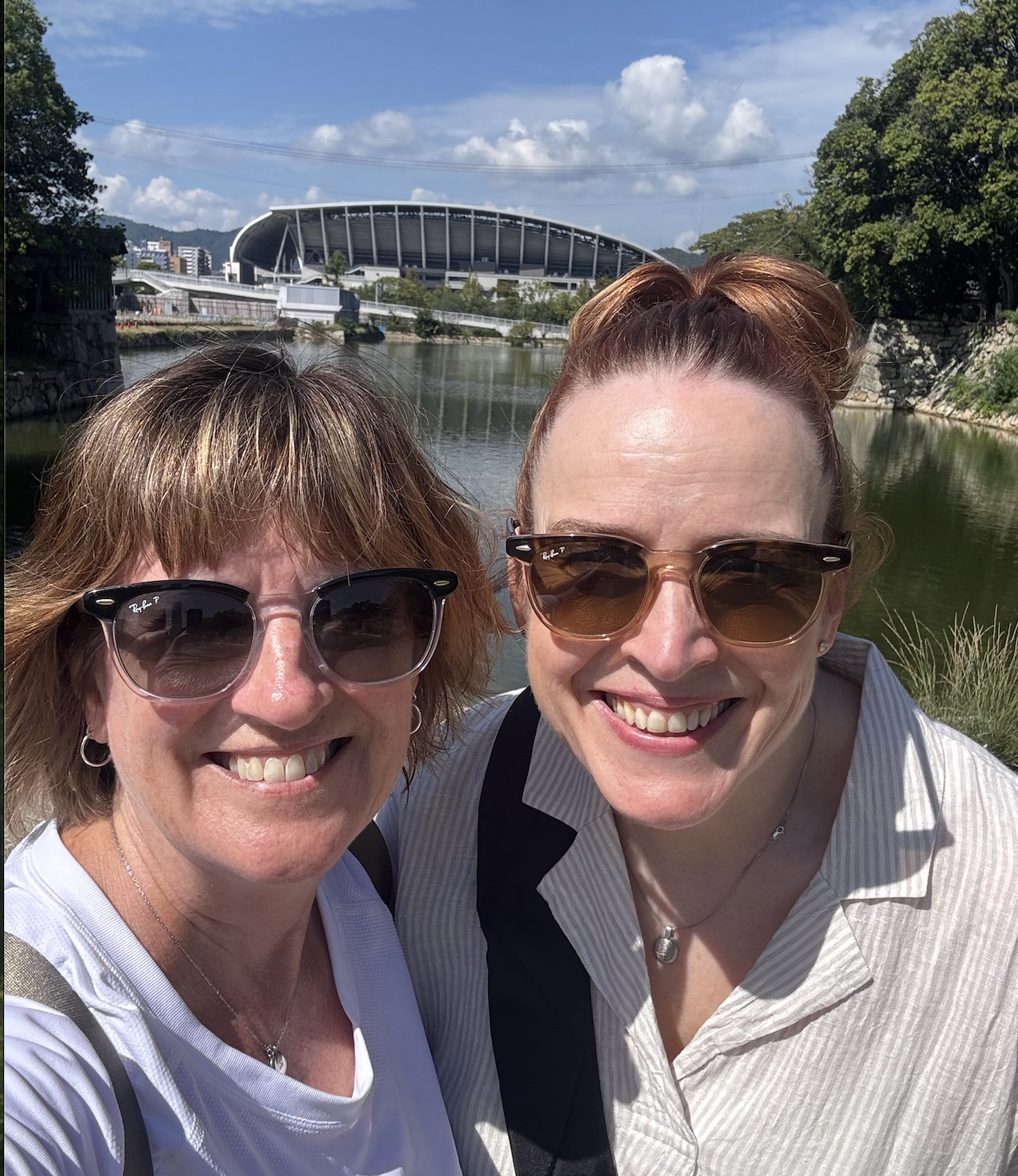
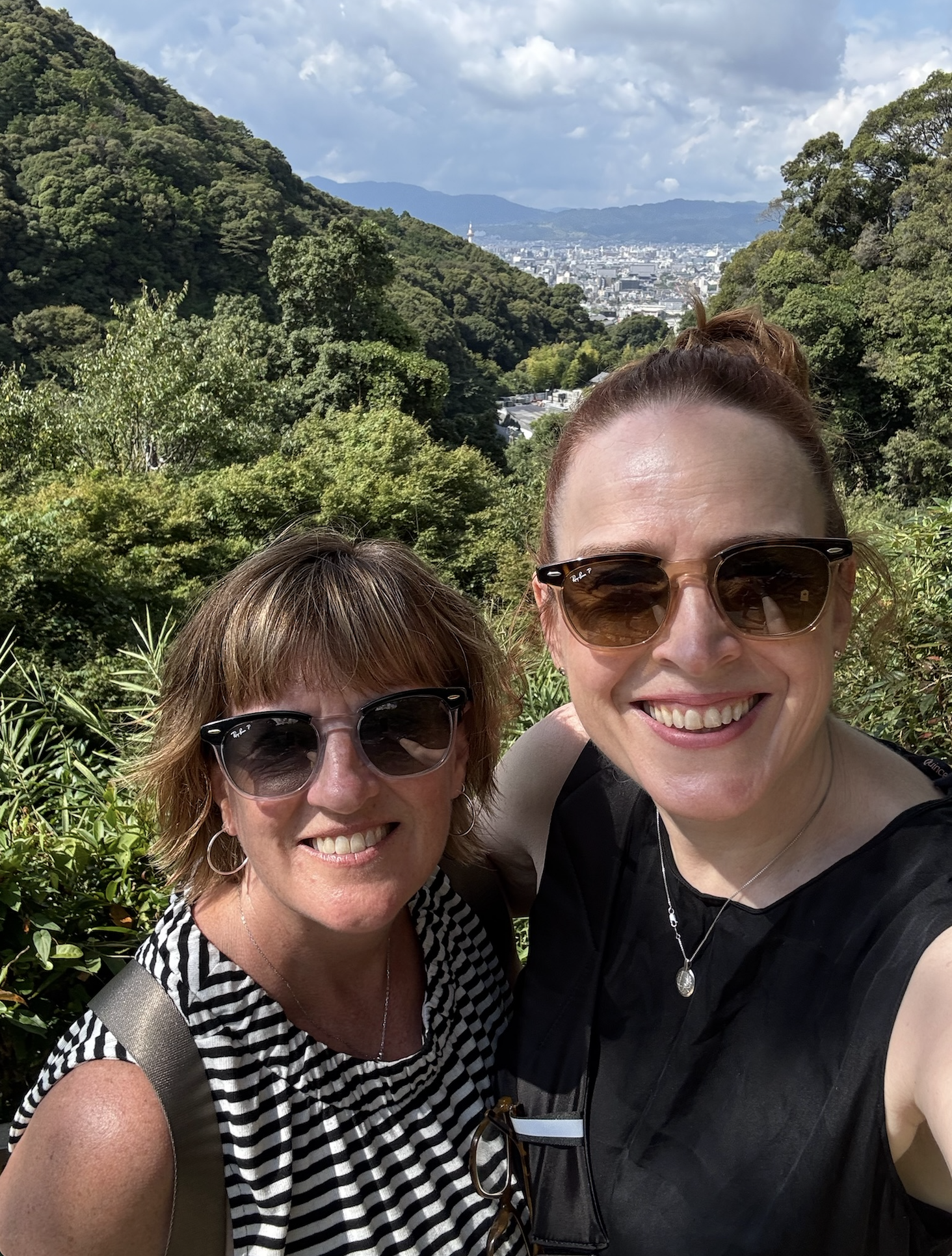
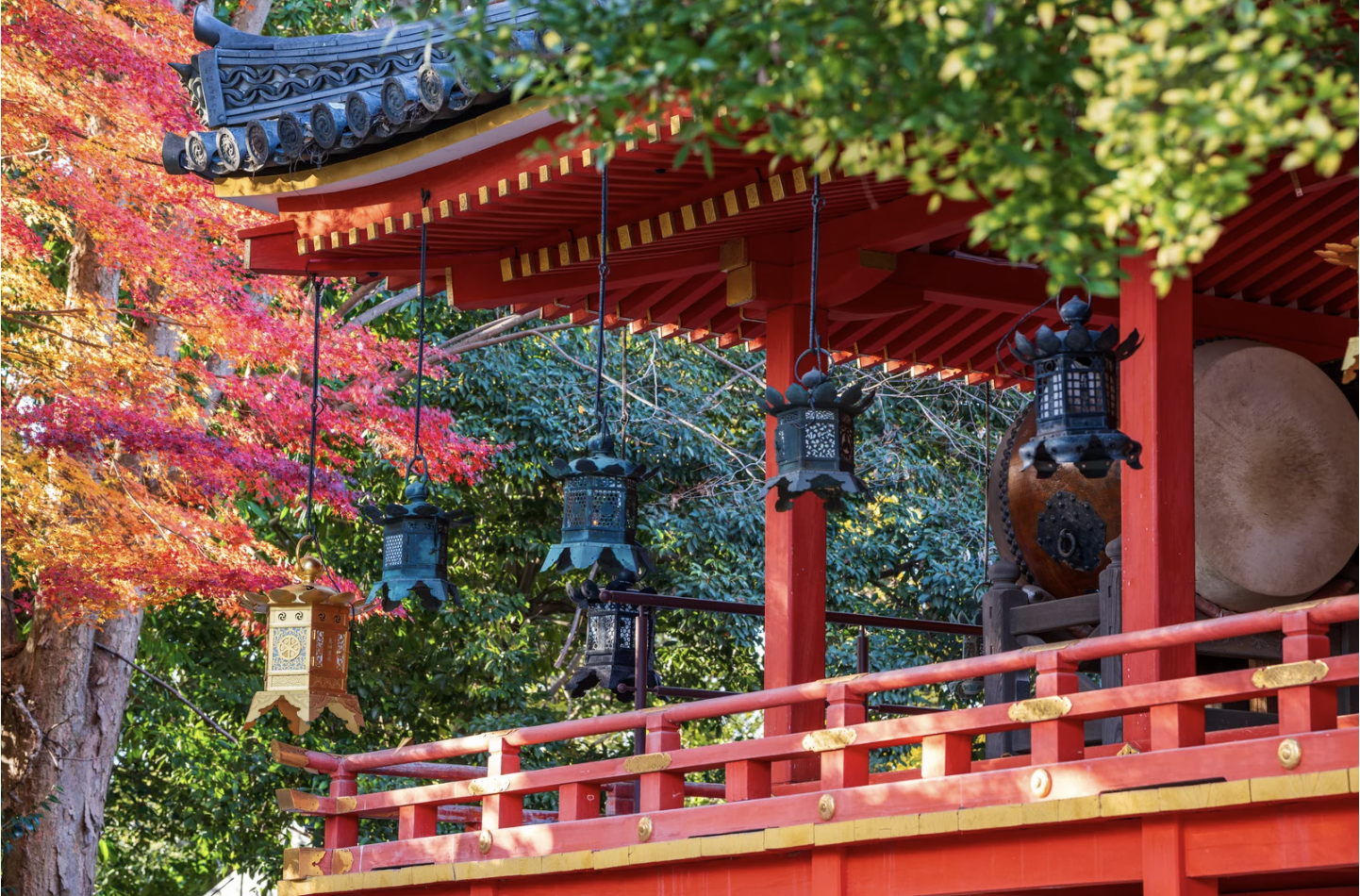
Before we ever set foot in Japan, my friend Jonni and I had our trip mapped out. Trains. Stays. Temples. Disney Sea. Even the order of neighborhoods to explore.
We jokingly called it “Japlanning.”
It was detailed, color-coded, and efficient, everything you’d expect from two marketers who live by plans, calendars, and timelines.
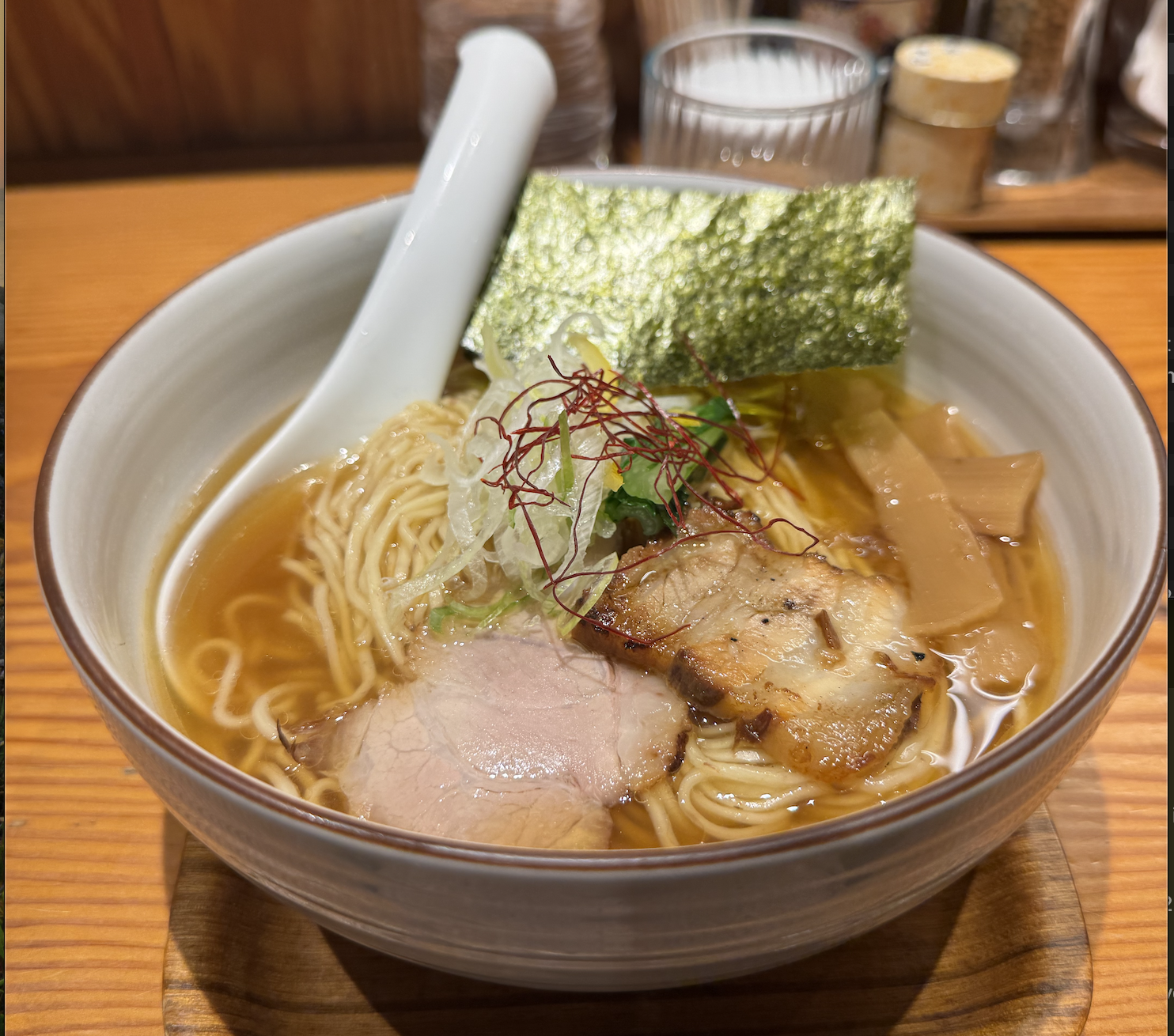
But once we arrived, the best parts of our trip weren’t on the list. They were the spontaneous detours, the hidden ramen shop perched on a beautiful hillside, the morning we slept in after a late karaoke night, and the cream-puff ice cream treat that changed our lives forever.
Each change made the trip better.
Each pivot made it more real.
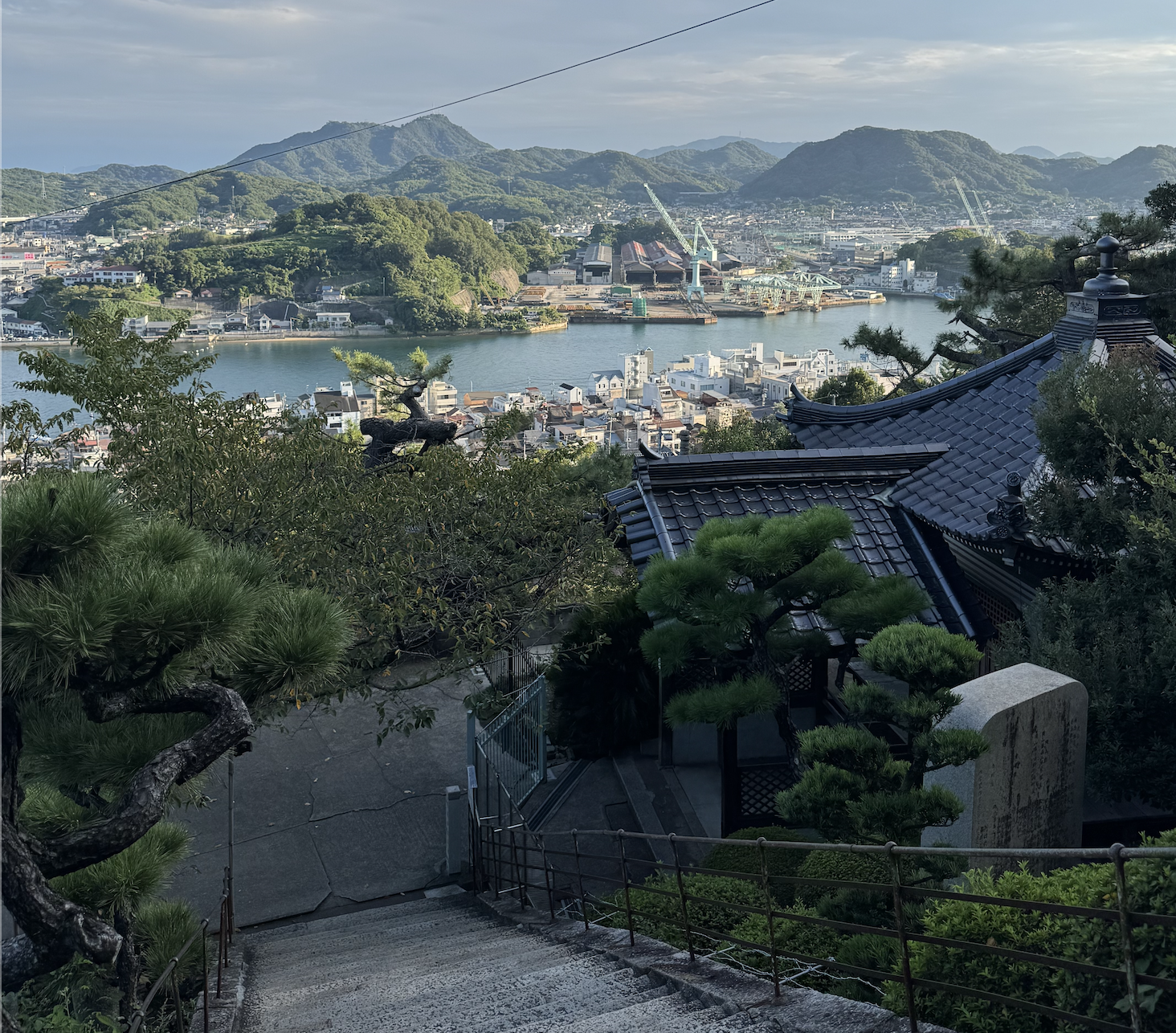
And somewhere between not taking a gondola (instead opting for lots and lots of stairs) and a random culinary delight at Rutobo in Kyoto, this isn’t just how travel works, it’s how work works, too.
This trip also came together in an unexpected way.
My family and I had originally planned to visit Japan together during cherry blossom season. When an unforeseen health issue prevented me from traveling, I didn’t want them to miss the experience, so they went as planned.
My own trip was postponed.
Months later, Jonni invited me to join her on a September trip. She used elements of the itinerary my family and I had created as a foundation, then thoughtfully rebuilt it into something new. Familiar enough to feel intentional. Different enough to create space for new experiences.
It was a powerful reminder that strong planning doesn’t prevent disruption. It gives you something solid to adapt from when plans inevitably change.
The plan is your compass, not your cage.
At work, we often treat plans like contracts, which are rigid, fixed, and sacred. We hold kickoff meetings, lock timelines, and color-code our way to control.
But the truth is, even the best plan is just a starting point. A framework, not a finish line.
A good plan gives you direction.
A great one gives you room to breathe.
Because things shift.
Markets evolve. Priorities change. Inspiration strikes at unexpected moments.
The teams that thrive are the ones who understand that flexibility isn’t chaos.
It’s a strategy.
Flexibility fuels connection and creativity.
When you allow space to adapt, you create room for something powerful: trust.
Trust that your colleagues can pivot without panic.
Trust that your customers’ needs might guide you somewhere better.
Trust that a good idea can come from anywhere, even if it wasn’t in the original plan.
That trust is what saved our day in Onomichi.
We had planned to rent bikes to tour the nearby islands…something we’d been looking forward to for weeks.
But by the time we reached the rental company, every bike was already rented (at least the e-bikes were).
We tried another shop. Same story.
So, we shifted gears, literally.
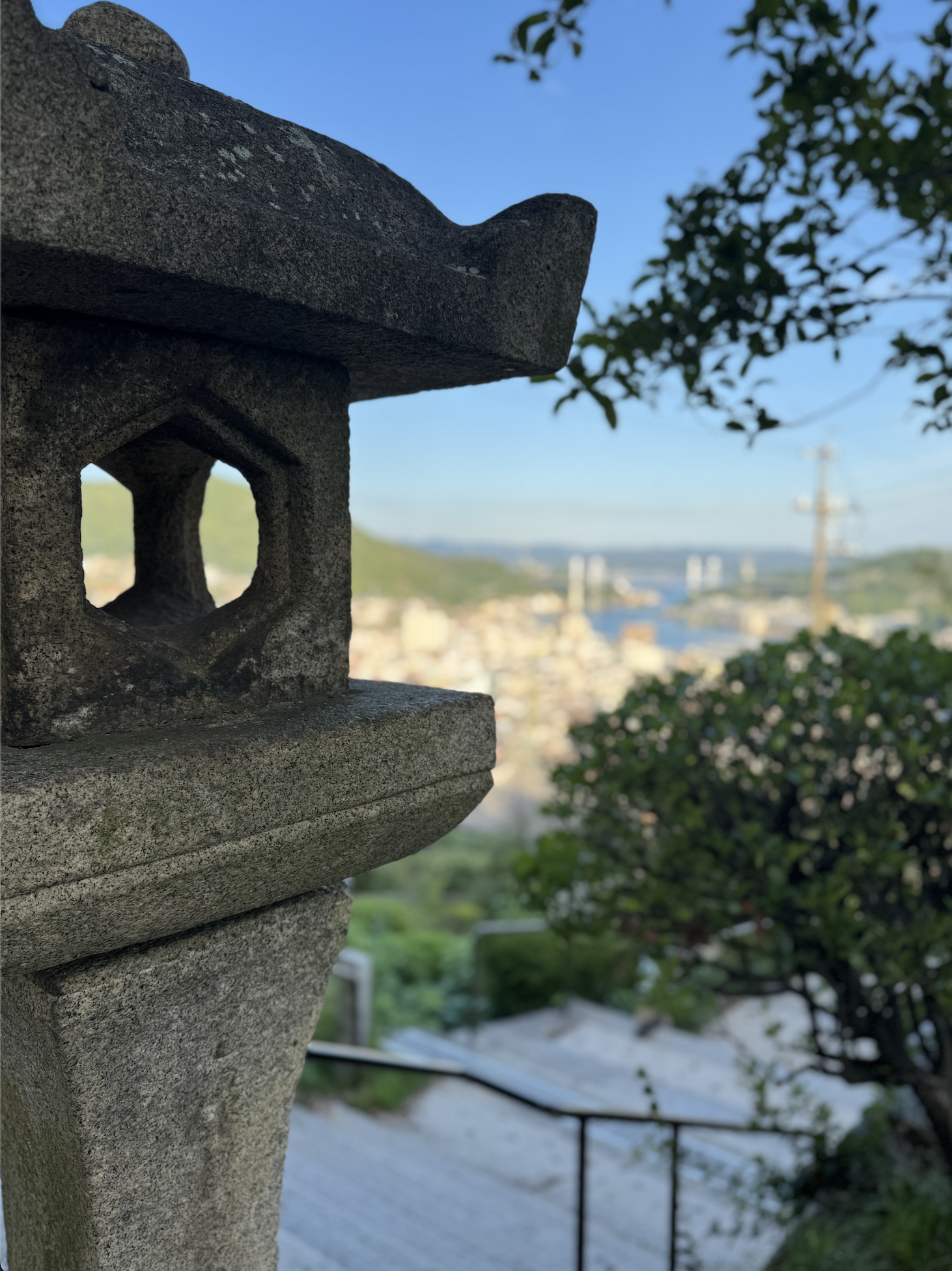
We rented bikes for the next day instead and spent that afternoon wandering through hillside temples, eating some of the best ramen of the trip, finding hidden shops, and taking in views that stopped us in our tracks.
What could’ve been a disappointment turned into one of our favorite days in Japan.
The plan changed, and because it did, the experience deepened.
At work, it’s no different. The best leaders know when to hold the map and when to hand someone else the pen.
Planning for possibility
So how do you balance planning and flexibility?
You plan with intention and leave space for discovery.
Set your direction, not every turn. Know your “why” so you can adapt your “how.”
Build checkpoints, not roadblocks. Review progress regularly but stay open to redirection.
Encourage curiosity. Create a culture where people can ask “what if?” without fear of breaking the plan.
That’s what “planning for possibility” really means.
You build structure and then you trust yourself (and your team) to improvise within it.
“A plan gives you direction. Flexibility gives you discovery. Sometimes the best detours lead you exactly where you need to go.”
Whether you’re planning a trip or leading a project, have a plan, but don’t let it hold you back.
Flexibility isn’t failure.
It’s awareness in motion.
So go ahead and plan.
But more importantly, plan for possibility.
This post has been updated to reflect additional perspective on planning, adaptability, and timing.